
sandblast frosted glass
Understanding Plug Ring Gauges A Key Tool in Precision Engineering Plug ring gauges are essential tools in the field of precision engineering, widely used for measuring and verifying the dimensions of holes and cylindrical features. These gauges play a crucial role in ensuring that components fit together precisely, which is vital in manufacturing industries such as automotive, aerospace, and machinery. The plug ring gauge is designed to check the internal diameter of holes, ensuring they meet specified tolerances. Typically, these gauges come in two forms go and no-go gauges. The go gauge is designed to fit into the hole, confirming that the diameter is within the acceptable range, while the no-go gauge should not fit, indicating that the hole is either too large or out of specification. This binary approach to measurements helps streamline quality control processes and maintain consistency in production. One of the main advantages of using plug ring gauges is their ability to provide immediate feedback on the workpiece. When operators check dimensions using these gauges, they can quickly identify any deviations from the desired specifications . This immediacy allows for rapid adjustments during the manufacturing process, reducing waste and ensuring high-quality output. plug ring gauge Manufacturers often use plug ring gauges in conjunction with other measurement tools, such as calipers and micrometers, for comprehensive quality assurance. However, the plug ring gauge’s simplicity and ease of use make it a preferred choice in many settings. With minimal training, operators can effectively utilize these gauges to verify dimensions, making them accessible even for less experienced personnel. Another crucial aspect of plug ring gauges is their calibration and maintenance. Regular calibration is necessary to ensure that the gauges provide accurate measurements over time. Manufacturers must adhere to strict guidelines to maintain the integrity and precision of these tools, as even minor errors can lead to significant discrepancies in product quality. In conclusion, plug ring gauges are invaluable instruments in precision engineering, facilitating accurate measurement and quality assurance in manufacturing processes. Their role in ensuring that components meet strict dimensional tolerances cannot be overstated, contributing to the reliability and performance of the final products. As industries continue to advance, the importance of such measurement tools will remain paramount in achieving excellence in engineering.
about
sandblast frosted glass
The Importance of Metal Table Fabrication Metal table fabrication is a vital aspect of modern manufacturing and design, serving a multitude of industries ranging from furniture design to architectural construction. The process transforms raw metal into functional pieces of furniture, enabling both practical uses and artistic expressions. This article explores the significance of metal table fabrication, the fabrication techniques involved, and the benefits of choosing metal tables for various applications. Understanding Metal Table Fabrication Metal table fabrication involves the process of designing and constructing tables made primarily from metal materials. Common metals used in this process include steel, aluminum, and stainless steel, each offering unique properties that affect the table's durability, aesthetics, and overall functionality. The fabrication process typically includes several stages material selection, cutting, shaping, welding, finishing, and assembly. Each stage requires precision and expertise, as any miscalibration can lead to structural weaknesses or aesthetic flaws. Skilled artisans and engineers are often involved in these processes to ensure high-quality outcomes that meet specific design requirements. Techniques in Metal Fabrication There are various techniques used in metal table fabrication, each contributing to the final product's design and functionality. Some of the most common methods include 1. Cutting This initial step involves slicing metal sheets into the desired dimensions. Techniques such as laser cutting, plasma cutting, and waterjet cutting are popular for their precision and efficiency. 2. Bending Once the metal is cut, it often requires bending to achieve the desired shape . This can be done through various methods, including press braking and roll bending. 3. Welding Welding is crucial for joining different metal pieces together. Techniques like MIG (Metal Inert Gas) and TIG (Tungsten Inert Gas) welding are commonly used to ensure strong and durable seams. 4. Finishing The finishing process involves treating the table's surface to enhance its appearance and corrosion resistance. This could include polishing, painting, or applying powder coating to give the metal a polished look and protect it from environmental factors. metal table fabrication 5. Assembly Finally, the fabricated pieces are assembled to create the final product. This process may involve additional fastening methods such as bolting or screwing, depending on the design. Benefits of Metal Tables Selecting metal tables for both commercial and residential use comes with numerous advantages 1. Durability Metal tables are incredibly strong and can withstand heavy loads as well as wear and tear, making them ideal for high-traffic areas such as restaurants, factories, and outdoor settings. 2. Versatility Metal can be shaped and finished in numerous ways, allowing for a vast range of designs, from sleek modern styles to ornate, traditional looks. This versatility means metal tables can fit into any decor or theme. 3. Maintenance Metal surfaces are typically easy to clean and maintain compared to wood or fabric. Most metals can simply be wiped down to remove dust and spills, which is a significant advantage in commercial settings where hygiene is a priority. 4. Sustainability Many metal materials are recyclable, making metal tables an environmentally friendly option. Choosing sustainable materials and efficient fabrication processes can lessen the carbon footprint of furniture manufacturing. 5. Cost-Effectiveness While the upfront cost of metal tables may be higher than some alternatives, their longevity and low maintenance requirements often make them more cost-effective over time. Conclusion Metal table fabrication combines artistry and engineering to create functional pieces that meet various needs across different sectors. With an array of techniques and materials available, designers and manufacturers can produce tables that are not only durable and versatile but also aesthetically pleasing. As the demand for sustainable and low-maintenance furniture continues to grow, metal tables are likely to play an increasingly important role in our living and working spaces, making the art of metal fabrication more relevant than ever. Whether for residential or commercial use, the value of metal tables is unmistakable in today’s fast-paced world.
-

High quality industrial productsagement

High quality industrial products
View Details -

Meet the diverse needs of customers

Meet the diverse needs of customers
View Details -

Strict quality control

Strict quality control
View Details -

Top raw materials

Top raw materials
View Details -

Trusted supplier

Trusted supplier
View Details
Our application


news and information
water hose check valve
Understanding the Importance of Water Hose Check Valves Water hose check valves are essential compon

Y Strainer Buhar Tuzağı Performansı ve Kullanım Alanları Hakkında Bilgi
Y Strainer ve Buhar Tuzakları Verimli Endüstriyel İşlemler için Kritik Bileşenler Endüstriyel tesisl
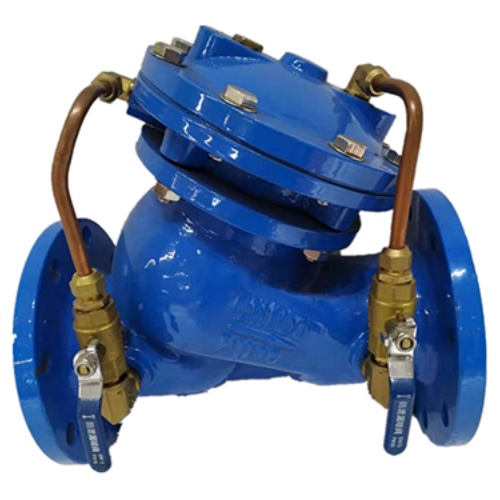
Water Pressure Regulation Valve for Efficient Flow Control and System Stability
water pressure control valve .
 English